Skip to content

Open 24 hours, every day of the year

First Aid Courses

Ralmed runs accredited first aid courses, Basic to Advanced (formerly First Aid Level 1 to Level 3), for workplaces anywhere in South Africa, at your site or our Sandton training room.
Health and Welfare SETA (HWSETA) logo

HWSETA accredited training providerAccreditation no. HW592PAA000200

Approved by the Department of Employment and LabourFirst aid training provider no. CI-179/3/12/1

At a glance

  • HWSETA accredited · QCTO-registered skills programmes SP-230801 to SP-230803
  • Basic, Intermediate and Advanced first aid (formerly First Aid Levels 1 to 3)
  • Courses anywhere in South Africa
  • Hands-on practice with a practical assessment
  • Group bookings for companies, places for individuals

The course

What is a first aid course, and what will your staff learn?

A first aid course teaches people to help an injured or ill person until a paramedic or doctor takes over, and certifies that they can do it.

In the workplace, that certificate matters. It is how you show that your first aiders are trained to the standard the law expects. On a Ralmed course, delegates learn by doing: they assess casualties, perform CPR on training mannequins and manage bleeding, burns and fractures.

The three South African levels build on each other. Basic first aid (formerly First Aid Level 1) covers the essentials, while Intermediate and Advanced first aid (formerly First Aid Levels 2 and 3) add depth for people who carry more responsibility on site.
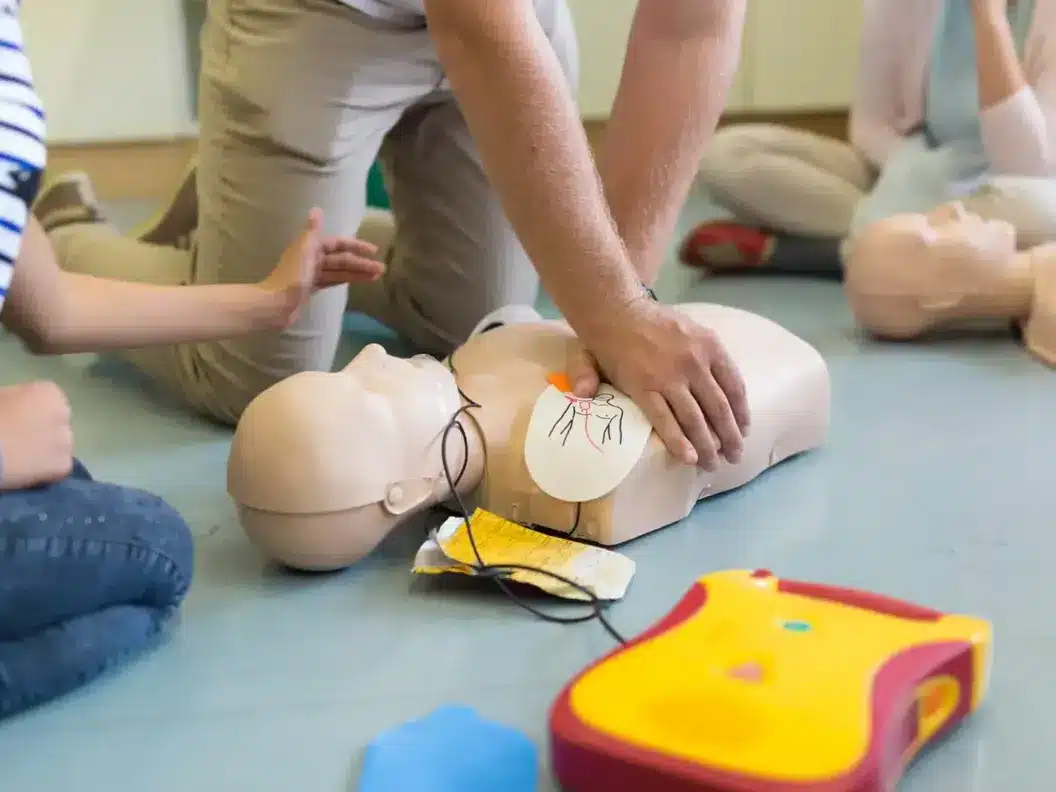
Trainees practising CPR on mannequins beside a training defibrillator during a first aid course
Every level of first aid training includes hands-on CPR practice on mannequins.

Who it is for

Who needs first aid training?

Most people on a first aid course with us are there because their employer has a legal duty to train them, but anyone can learn.

Workplace first aiders

Staff appointed as first aiders under the Occupational Health and Safety Act, and those who need to renew.

Safety officers and supervisors

People who lead a team on site and need the higher levels for the risks they manage.

Schools, clubs and coaches

Teachers, coaches and staff who look after children or players.

Individuals and families

Parents, carers and anyone who wants to know what to do before help arrives.

The levels

Which first aid course do you need?

First aid training in South Africa is now offered as three QCTO skills programmes: Basic, Intermediate and Advanced Emergency First Aid Responder. They replace the old First Aid Level 1, 2 and 3 courses and build on each other. Choose a course to see what it covers, or compare two side by side.

Basic Emergency First Aid Responder

QCTO skills programme SP-230801 · Formerly First Aid Level 1

R945 per learner, excl. VAT

NQF level2
Credits2
Typical duration2–3 days
EntryNo previous first aid training needed

The essential knowledge and practical skills to give immediate emergency first aid at work or in the community until professional medical help arrives.

What learners cover

  • Principles of first aid, and the role and responsibilities of the first aider
  • Legal and ethical principles: consent, confidentiality, negligence and abandonment
  • Personal safety, scene safety and hazard identification
  • Contents and use of a basic first aid kit
  • Emergency scene management and primary assessment
  • Unconsciousness and levels of consciousness (AVPU)
  • CPR for adults, children and infants
  • Using an automated external defibrillator (AED)
  • Choking in adults, children and infants
  • Recognising and managing shock
  • Bleeding control and wound care
  • Burns
  • Fractures and soft-tissue injuries, with basic immobilisation
  • Recognising and responding to heart attacks and strokes
  • Heat- and cold-related emergencies
  • Poisoning, bites and stings
  • Communication, handover to emergency services and scene clean-up

Intermediate Emergency First Aid Responder

QCTO skills programme SP-230802 · Formerly First Aid Level 2

R1 450 per learner, excl. VAT

NQF level3
Credits5
Typical duration3–4 days
EntryUsually Basic (formerly First Aid Level 1), or equivalent RPL

Builds on Basic with the knowledge and practical skills to manage a wider range of medical, trauma and environmental emergencies.

What learners cover

Everything in Basic, plus:

  • Anatomical positions and directional terms
  • Relevant anatomy and physiology, including the gastrointestinal and genitourinary systems
  • More detailed primary and secondary assessment
  • Head and spinal injuries: recognition and immobilisation principles
  • Chest injuries
  • Abdominal injuries
  • Pelvic injuries
  • Catastrophic bleeding and using a tourniquet
  • Drowning and near-drowning
  • Diabetes: low and high blood sugar
  • Anaphylaxis
  • Seizures and epilepsy
  • Poisoning routes: inhaled, ingested, injected and absorbed
  • Exposure to communicable diseases, and basic infection control
  • Multiple casualties: awareness and prioritisation

Advanced Emergency First Aid Responder

QCTO skills programme SP-230803 · Formerly First Aid Level 3

R1 750 per learner, excl. VAT

NQF level4
Credits6
Typical duration4–5 days
EntryUsually Intermediate (formerly First Aid Level 2), or equivalent RPL

In-depth knowledge and advanced practical skills for complex, high-risk medical and trauma emergencies, so the learner can lead the response at work or in the community.

What learners cover

Everything in Basic and Intermediate, plus:

  • Relevant aspects of the immune and lymphatic systems
  • The first aider’s role in the chain of survival and the wider healthcare system
  • Advanced scene management and triage of multiple casualties
  • Comprehensive patient assessment and ongoing monitoring
  • Oxygen therapy and the safe administration of oxygen
  • Bag-valve-mask (BVM) and pocket mask use during resuscitation
  • Vital signs, including blood pressure, blood glucose and pupil response
  • Post-exposure prophylaxis awareness: tetanus and hepatitis B
  • Scene clean-up with body-fluid spill kits
  • Developing a basic emergency response plan
  • Mental health for the first aider: stress, anxiety, PTSD and debriefing
  • Leadership and coordination during an emergency
  • Detailed documentation, COIDA-related reporting and handover

Compare two courses

Choose a course for each side to see them next to each other.

Course A
Course B
Course A

Basic Emergency First Aid Responder

SP-230801 · Formerly First Aid Level 1

NQF level
2
Credits
2
Typical duration
2–3 days
Price
R945 per learner, excl. VAT
Entry
No previous first aid training needed
Best for
Every workplace first aider, and anyone new to first aid

What it covers:

  • Principles of first aid, and the role and responsibilities of the first aider
  • Legal and ethical principles: consent, confidentiality, negligence and abandonment
  • Personal safety, scene safety and hazard identification
  • Contents and use of a basic first aid kit
  • Emergency scene management and primary assessment
  • Unconsciousness and levels of consciousness (AVPU)
  • CPR for adults, children and infants
  • Using an automated external defibrillator (AED)
  • Choking in adults, children and infants
  • Recognising and managing shock
  • Bleeding control and wound care
  • Burns
  • Fractures and soft-tissue injuries, with basic immobilisation
  • Recognising and responding to heart attacks and strokes
  • Heat- and cold-related emergencies
  • Poisoning, bites and stings
  • Communication, handover to emergency services and scene clean-up
Course A

Intermediate Emergency First Aid Responder

SP-230802 · Formerly First Aid Level 2

NQF level
3
Credits
5
Typical duration
3–4 days
Price
R1 450 per learner, excl. VAT
Entry
Usually Basic (formerly First Aid Level 1), or equivalent RPL
Best for
First aiders in higher-risk workplaces, and those who have completed Basic

Everything in Basic, plus:

  • Anatomical positions and directional terms
  • Relevant anatomy and physiology, including the gastrointestinal and genitourinary systems
  • More detailed primary and secondary assessment
  • Head and spinal injuries: recognition and immobilisation principles
  • Chest injuries
  • Abdominal injuries
  • Pelvic injuries
  • Catastrophic bleeding and using a tourniquet
  • Drowning and near-drowning
  • Diabetes: low and high blood sugar
  • Anaphylaxis
  • Seizures and epilepsy
  • Poisoning routes: inhaled, ingested, injected and absorbed
  • Exposure to communicable diseases, and basic infection control
  • Multiple casualties: awareness and prioritisation
Course A

Advanced Emergency First Aid Responder

SP-230803 · Formerly First Aid Level 3

NQF level
4
Credits
6
Typical duration
4–5 days
Price
R1 750 per learner, excl. VAT
Entry
Usually Intermediate (formerly First Aid Level 2), or equivalent RPL
Best for
Senior first aiders, safety officers and people responsible for others on site

Everything in Basic and Intermediate, plus:

  • Relevant aspects of the immune and lymphatic systems
  • The first aider’s role in the chain of survival and the wider healthcare system
  • Advanced scene management and triage of multiple casualties
  • Comprehensive patient assessment and ongoing monitoring
  • Oxygen therapy and the safe administration of oxygen
  • Bag-valve-mask (BVM) and pocket mask use during resuscitation
  • Vital signs, including blood pressure, blood glucose and pupil response
  • Post-exposure prophylaxis awareness: tetanus and hepatitis B
  • Scene clean-up with body-fluid spill kits
  • Developing a basic emergency response plan
  • Mental health for the first aider: stress, anxiety, PTSD and debriefing
  • Leadership and coordination during an emergency
  • Detailed documentation, COIDA-related reporting and handover
Course B

Basic Emergency First Aid Responder

SP-230801 · Formerly First Aid Level 1

NQF level
2
Credits
2
Typical duration
2–3 days
Price
R945 per learner, excl. VAT
Entry
No previous first aid training needed
Best for
Every workplace first aider, and anyone new to first aid

What it covers:

  • Principles of first aid, and the role and responsibilities of the first aider
  • Legal and ethical principles: consent, confidentiality, negligence and abandonment
  • Personal safety, scene safety and hazard identification
  • Contents and use of a basic first aid kit
  • Emergency scene management and primary assessment
  • Unconsciousness and levels of consciousness (AVPU)
  • CPR for adults, children and infants
  • Using an automated external defibrillator (AED)
  • Choking in adults, children and infants
  • Recognising and managing shock
  • Bleeding control and wound care
  • Burns
  • Fractures and soft-tissue injuries, with basic immobilisation
  • Recognising and responding to heart attacks and strokes
  • Heat- and cold-related emergencies
  • Poisoning, bites and stings
  • Communication, handover to emergency services and scene clean-up
Course B

Intermediate Emergency First Aid Responder

SP-230802 · Formerly First Aid Level 2

NQF level
3
Credits
5
Typical duration
3–4 days
Price
R1 450 per learner, excl. VAT
Entry
Usually Basic (formerly First Aid Level 1), or equivalent RPL
Best for
First aiders in higher-risk workplaces, and those who have completed Basic

Everything in Basic, plus:

  • Anatomical positions and directional terms
  • Relevant anatomy and physiology, including the gastrointestinal and genitourinary systems
  • More detailed primary and secondary assessment
  • Head and spinal injuries: recognition and immobilisation principles
  • Chest injuries
  • Abdominal injuries
  • Pelvic injuries
  • Catastrophic bleeding and using a tourniquet
  • Drowning and near-drowning
  • Diabetes: low and high blood sugar
  • Anaphylaxis
  • Seizures and epilepsy
  • Poisoning routes: inhaled, ingested, injected and absorbed
  • Exposure to communicable diseases, and basic infection control
  • Multiple casualties: awareness and prioritisation
Course B

Advanced Emergency First Aid Responder

SP-230803 · Formerly First Aid Level 3

NQF level
4
Credits
6
Typical duration
4–5 days
Price
R1 750 per learner, excl. VAT
Entry
Usually Intermediate (formerly First Aid Level 2), or equivalent RPL
Best for
Senior first aiders, safety officers and people responsible for others on site

Everything in Basic and Intermediate, plus:

  • Relevant aspects of the immune and lymphatic systems
  • The first aider’s role in the chain of survival and the wider healthcare system
  • Advanced scene management and triage of multiple casualties
  • Comprehensive patient assessment and ongoing monitoring
  • Oxygen therapy and the safe administration of oxygen
  • Bag-valve-mask (BVM) and pocket mask use during resuscitation
  • Vital signs, including blood pressure, blood glucose and pupil response
  • Post-exposure prophylaxis awareness: tetanus and hepatitis B
  • Scene clean-up with body-fluid spill kits
  • Developing a basic emergency response plan
  • Mental health for the first aider: stress, anxiety, PTSD and debriefing
  • Leadership and coordination during an emergency
  • Detailed documentation, COIDA-related reporting and handover

Good to know

  • All three courses are designed to meet workplace first aid requirements under the Occupational Health and Safety Act.
  • Certificates are typically valid for three years. A refresher is recommended after that.
  • Content follows current resuscitation guidelines from ILCOR and the Resuscitation Council of Southern Africa.
  • Each course builds on the one before, so Intermediate and Advanced usually need the previous course or equivalent RPL.

How it works

How does a Ralmed first aid course work, step by step?

  1. 01

    Tell us who needs training

    Give us the number of people, their roles and where they work, and we will recommend the level.

  2. 02

    Agree the date and venue

    We train at your premises anywhere in South Africa, or in our Sandton training room.

  3. 03

    Learn by doing

    Delegates practise every skill on mannequins and in realistic scenarios, not just in a classroom.

  4. 04

    Assessment and certificate

    Delegates who meet the standard receive a certificate through our HWSETA accreditation.

Need first aiders trained? Get a date and a quote for your team.

Why train your first aiders with Ralmed?

Accredited training. Ralmed is HWSETA accredited and our courses are QCTO-registered skills programmes SP-230801 to SP-230803, so the certificates stand up in your compliance file.

Taught by emergency care people. Ralmed runs an ambulance service, so our training comes from the work our crews do every day.

Anywhere in South Africa. We bring the course to your site, so your people train where they work, with the hazards they actually face.

Practice, not slides. Delegates spend most of the course practising, and every skill is assessed hands-on.

Cost

How much does a first aid course cost?

Our first aid course prices are per learner and exclude VAT. The same price applies whether we train at your premises or in our Sandton training room.

Basic first aid

Formerly First Aid Level 1

R945

per learner, excl. VAT

NQF 2 · 2–3 days

Get a quote

Intermediate first aid

Formerly First Aid Level 2

R1 450

per learner, excl. VAT

NQF 3 · 3–4 days

Get a quote

Advanced first aid

Formerly First Aid Level 3

R1 750

per learner, excl. VAT

NQF 4 · 4–5 days

Get a quote

Prices are per learner and exclude VAT. Certification and course materials are included. The same price applies at your premises or at our Sandton training room. Travel costs may apply in some areas.

Your total depends on:

  • The course: Basic, Intermediate or Advanced first aid (formerly First Aid Level 1, Level 2 or Level 3)
  • The number of learners
  • Travel costs, which may apply in some areas

For a quote, tell us the course, the number of learners and the town where they work. Group bookings for one company are usually the most cost-effective way to train a team.
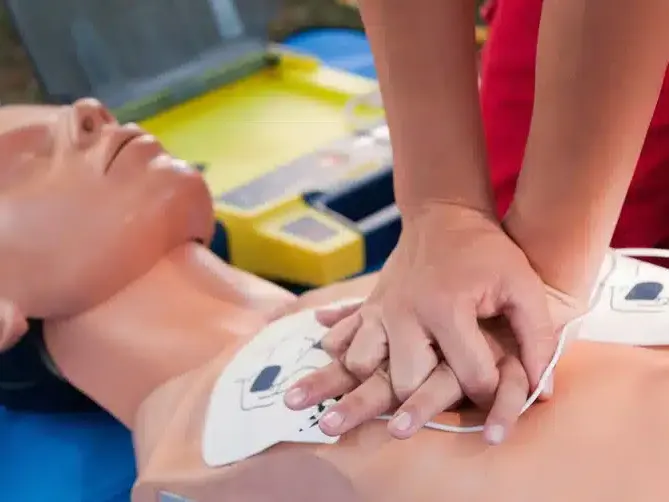
Hands giving CPR chest compressions on a mannequin during first aid training
CPR is practised until every delegate can do it confidently.

Your options

How does an accredited first aid course compare with online training?

Online courses are easy to find. Here is how they compare with an accredited, in-person first aid course, so you can choose what suits your people.

Option How it is taught Suits Things to weigh up
Accredited in-person course Hands-on practice with an assessor, on mannequins and scenarios Workplace first aiders and anyone who wants practical confidence Takes staff away from work for the course days
Online first aid course Videos and quizzes, without practical assessment General awareness and refreshing theory No one checks the practical skills, so it may not meet a workplace requirement
Informal in-house training A colleague shares what they know Basic awareness between formal courses No certificate, and quality depends entirely on the person teaching

Get started

How do you book a first aid course with Ralmed?

Call or send a message with the level, the number of people and where they work. We will suggest dates for the first aid course and send a quote.

Call

086 1725 633

Speak to our training team.

WhatsApp

+27 10 226 9725

Send the level and number of delegates.

Email

info@ralmed.com

For quotes, bookings and certificates.

Training room

89 Impala Road, Kelvin View, Sandton

Or we come to your premises.

Get a quote for first aid training

Tell us a little about your group and we will send you dates and a quote. It takes about a minute.

Where do we run courses?

Our first aid training runs anywhere in South Africa. We come to your site in any province, or your delegates can join a course in our Sandton training room.

See all our accredited medical training, including occupational health and safety courses and training for healthcare providers.
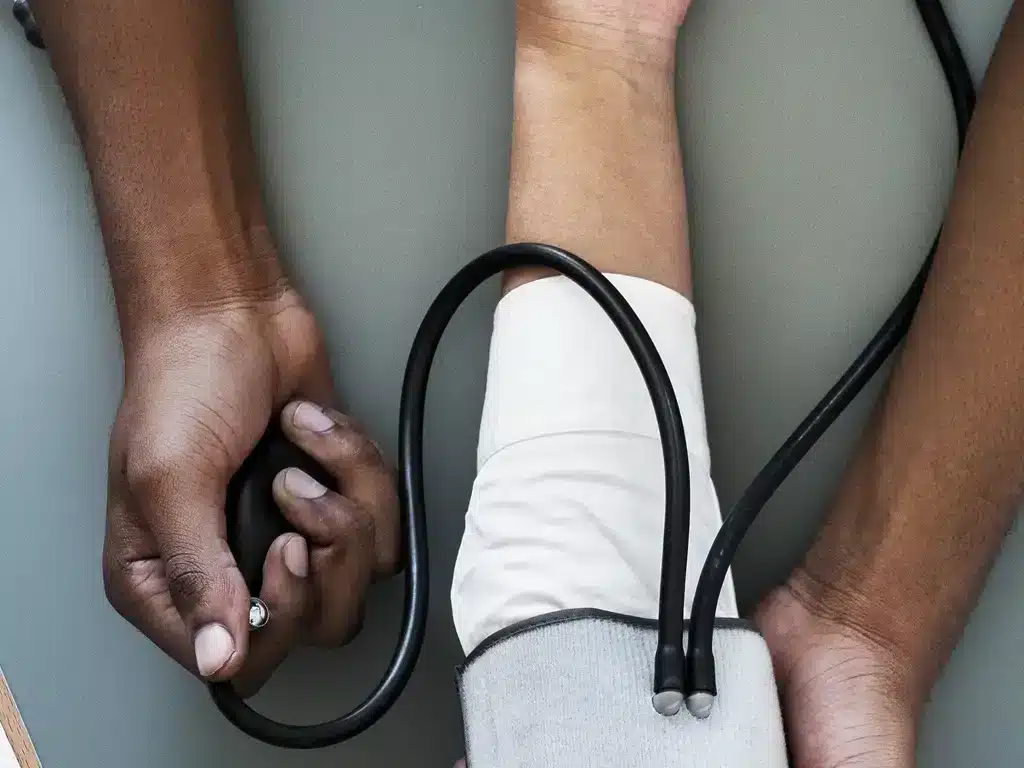
Health worker checking a patient's blood pressure with an arm cuff
Higher levels add skills such as checking vital signs.

Questions

Questions about first aid courses

How do I book a first aid course?

Call 086 1725 633 to book a first aid course, or email info@ralmed.com. Tell us the level, the number of people and where they work. We will recommend dates, confirm whether we train at your premises or in Sandton, and send a quote for the group.

Which first aid level does my workplace need?

Most workplace first aiders start with Basic (formerly First Aid Level 1). Workplaces with higher risks, such as heavy machinery, chemicals or remote sites, often need some staff at Intermediate or Advanced first aid (formerly First Aid Level 2 or Level 3). Your risk assessment decides it, and we are happy to talk it through with your safety officer before you book.

How many first aiders does the law require?

Under the General Safety Regulations of the Occupational Health and Safety Act, a workplace with more than ten employees needs a trained first aider for every group of up to fifty employees. Higher-risk workplaces often train more. Your safety officer can confirm what applies to your site.

Who accredits Ralmed's first aid courses?

Ralmed is accredited by the Health and Welfare SETA (HWSETA), accreditation no. HW592PAA000200, and our courses are QCTO-registered skills programmes SP-230801 to SP-230803. Delegates who pass the assessment receive a certificate under our HWSETA accreditation. Copies of our accreditation are on our documents page.

How long is a first aid certificate valid?

A workplace first aid certificate is generally valid for three years. After that, your first aiders need a refresher course to stay certified. Keep a record of the dates, and we can plan refresher training for your team before the certificates run out.

Can you train our staff at our premises?

Yes. We run courses at your premises anywhere in South Africa, which saves your staff travelling and lets them train around the hazards they face at work. If you prefer, your delegates can join a course in our Sandton training room instead.

Is there a practical assessment?

Yes. First aid is a practical skill, so delegates are assessed doing it, not only on paper. They show the assessor that they can perform CPR, manage bleeding and deal with the other situations the level covers. Those who meet the standard receive their certificate.

Do delegates need experience before Basic first aid (formerly First Aid Level 1)?

No. Basic first aid is the starting point, and no previous first aid knowledge is needed. Intermediate and Advanced build on it, so delegates usually complete the level below first. If someone holds an older certificate, tell us and we will advise which course they should take.

Can individuals book, or only companies?

Both. Most of our courses are booked by companies for a group of staff, but individuals can train with us too. Call 086 1725 633 to ask about the next course with space, or to arrange training for a small group such as a family or a sports club.

Does the course cover CPR and defibrillators?

Yes. Every level includes CPR, and delegates practise it on training mannequins until they can do it properly. Using a defibrillator, also called an AED, is taught as part of basic life support, because many workplaces and public places now have one.

Related training

More training and services for your workplace

Pair first aid with our occupational health and safety training, or put medical cover on site with an on-site clinic or a remote ambulance station. Our teams work together, from the first aid box to the ambulance.

Book an accredited first aid course

Tell us how many people need training, the level and where they work, and we will send dates and a quote. Courses run anywhere in South Africa. Call 086 1725 633 or send a WhatsApp to book your team onto a first aid course.

Call 086 1725 633 WhatsApp